
 English
  Vietnamese
 Plastic hinges are increasingly popular in electrical cabinet applications due to their versatility, corrosion resistance and cost effectiveness. In particular, as electrical cabinet hinges, they offer many benefits but also have limitations that need to be considered. This article will analyze in detail the plastic hinges, advantages, disadvantages and cases where plastic hinges should be used for electrical cabinets in 2025.
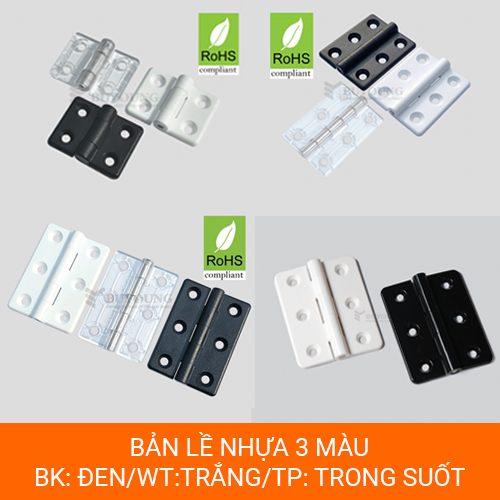
What is a plastic hinge?
Plastic hinges are hinges made from engineering plastic materials such as polyamide (PA), polycarbonate (PC) or ABS plastic. In electrical cabinet hinge applications, they are designed to connect and support the opening/closing movement of cabinet doors, commonly found in industrial electrical cabinets, control cabinets or outdoor electrical cabinets.
Advantages of plastic hinges in electrical cabinet applications
- Superior corrosion resistance: Plastic hinges do not rust when exposed to moisture, chemicals or sea salt, making them an ideal choice for electrical cabinet hinges in harsh areas such as seaports and chemical plants.
- Light weight: Compared with metal hinges, plastic hinges have lower weight, which helps reduce the load on the electrical cabinet, especially in mobile applications or high-altitude installations.
- Safe insulation: Non-conductive plastic hinges ensure safety for sensitive electrical systems, which is an important factor when used as electrical cabinet hinges.
- Low cost: Plastic hinges are often cheaper than high-quality metal hinges such as stainless steel, suitable for projects that need to optimize costs.
- Flexible customization: Thanks to its versatile molding capabilities, plastic hinges can easily be designed according to the specific requirements of the electrical cabinet, from size to shape.
Limitations of plastic hinges
- Limited mechanical strength: Compared to metal, plastic hinges have lower load-bearing capacity, especially when used as electrical cabinet hinges in heavy-duty or high-vibration applications.
- Poor heat resistance: Plastic hinges often do not work well in high temperature environments (above 80-100°C, depending on the type of plastic), limiting their application in some harsh conditions.
- Aging over time: Although corrosion resistant, plastic hinges can become brittle or age with prolonged exposure to UV rays or harsh chemicals.
When should plastic hinges be used for electrical cabinets?
Plastic hinges are the optimal choice in the following cases when applied as electrical cabinet hinges:
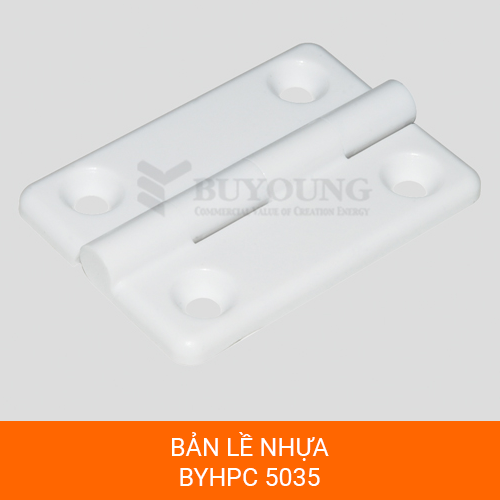
- Highly corrosive environment:
- Coastal areas or places with high humidity.
- Chemical plants, wastewater treatment plants or environments exposed to acids, alkalis.
- Insulation requirements:
- Electrical cabinets containing electrically sensitive equipment where the risk of electrical shock must be reduced.
- Applications in hospitals, laboratories or electronics manufacturing plants.
- Light or mobile electrical cabinets:
- Electrical cabinets mounted on moving vehicles (ships, trucks) or equipment that needs to be moved frequently.
- Compact electrical cabinets in light industry or civil use.
- Limited budget:
- Projects that require cost optimization without requiring high mechanical strength.
- Outdoor applications against UV:
- UV-resistant reinforced plastic hinges are suitable for outdoor electrical cabinets such as telecommunication stations and traffic control stations.
When should you not use plastic hinges?
- Heavy duty electrical cabinets: If the cabinet door is large, heavy or requires high frequency operation, metal hinges will be more suitable than plastic hinges.
- High temperature environment: In metallurgical plants, furnaces or areas where temperatures exceed the tolerance of plastic.
- High aesthetic requirements: Plastic hinges may not provide the same luxurious look as chrome or stainless steel metal hinges.
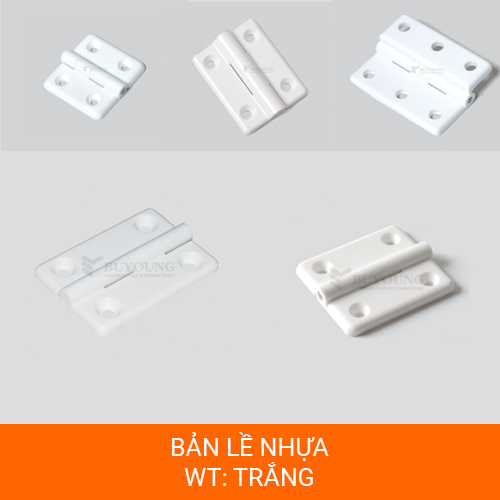
Showing real application images of BYHPC plastic hinges on doors and furniture, with white captions
Notes when choosing plastic hinges for electrical cabinets
- Choose the right plastic material: Glass fiber reinforced polyamide (PA-GF) is generally more durable than ABS plastic, suitable for making heavy duty electrical cabinet hinges.
- Check IP standards: Make sure the plastic hinges meet protection standards (IP65, IP66) for outdoor use.
- Load testing: Determine the weight of the cabinet door and frequency of use to ensure the plastic hinge meets the requirements.
- UV protection: Choose plastic hinges with coating or UV resistant material if used for outdoor electrical cabinets.
Conclude
Plastic hinges are an economical and effective solution when used as electrical cabinet hinges in corrosive environments, requiring insulation or with limited budgets. However, factors such as load, environment and technical requirements must be carefully considered to ensure performance. Choosing the right type of plastic hinge will help optimize costs and ensure the durability of the electrical cabinet system.
VN Buyoung is a unit specializing in providing high quality Korean dustproof electrical cabinet hinges, processed according to industrial production standards with the best prices for business units. Equip your machines today.
Hotline: 085 824 4956 / 081 292 9421
Special offer: Get 10% discount for your first order.
Order now for free consultation and best quote.
You should refer to other electrical cabinet hinge lines Electrical Cabinet Hingeand popular hinge types Types of hinges